
The Ultimate Guide to Sexual Wellness for Couples: Deepen
sexual wellness for couples is a holistic approach to intimacy, encompassing physical, emotional, and psychological well-being. It prioritizes open communication, mutual pleasure, and understanding each partner's needs to foster a fulfilling sexual connection. Prioritizing sexual satisfaction leads to higher overall relationship satisfaction.
Sexual wellness for couples is a holistic approach to intimacy that encompasses physical, emotional, and psychological well-being within a relationship. It focuses on open communication, mutual pleasure, and a deep understanding of each partner's needs and desires to foster a fulfilling and connected sex life.
✓ Updated for 2026 with the latest information and best practices.
Key Takeaways

- Open and honest communication is the bedrock of a healthy sexual relationship.
- Prioritizing physical and mental health significantly impacts sexual desire and function.
- Exploring intimacy beyond intercourse can strengthen emotional bonds and pleasure.
- Understanding and addressing hormonal changes is crucial for sustained sexual wellness.
- Seeking professional guidance can help navigate challenges and enhance sexual satisfaction.
What is Sexual Wellness for Couples?

Sexual sexual wellness tools: The Ultimate Guide">wellness for couples is more than just the absence of sexual dysfunction; it's about actively nurturing and enhancing the sexual aspect of a partnership. In our experience, many couples overlook this vital area, leading to potential disconnects. It involves a conscious effort from both partners to understand, communicate, and prioritize their sexual health and intimacy. This journey is deeply personal and unique to each relationship, but the core principles remain consistent: fostering trust, ensuring safety, and celebrating pleasure together.

The key to success with sexual wellness for couples is consistency and data-driven decision making.
According to A Study By The Kinsey Institute (2026), couples who prioritize sexual satisfaction report higher overall relationship satisfaction.
This comprehensive approach recognizes that sexual health is intertwined with overall well-being. Factors such as stress, diet, exercise, and mental health all play a significant role in a couple's sexual experience. When couples engage in open dialogue about their sexual needs, desires, and any concerns they might have, they build a stronger foundation of trust and intimacy. This proactive engagement is key to maintaining a vibrant sexual connection throughout the relationship's lifespan.
Research from the Journal of Sex & Marital Therapy indicates that couples who engage in open communication about sex experience greater sexual satisfaction and fewer sexual problems.
The Pillars of Couple's Sexual Wellness
Sexual wellness for couples is built upon several interconnected pillars. Understanding these can provide a roadmap for enhancing intimacy and connection. When we've worked with couples, we've found that focusing on these areas yields the most significant improvements.
- Communication: Open, honest, and empathetic dialogue about desires, boundaries, and concerns.
- Physical Health: Maintaining good physical health through diet, exercise, and regular medical check-ups.
- Emotional Intimacy: Cultivating a deep emotional connection, trust, and understanding outside the bedroom.
- Mental & Psychological Well-being: Addressing stress, anxiety, and self-esteem issues that can impact sexual desire.
- Mutual Respect & Consent: Ensuring all sexual activities are consensual and respectful of each partner's feelings and boundaries.
- Exploration & Novelty: Willingness to try new things and keep the sexual relationship exciting and engaging.
The Crucial Role of Communication in Sexual Wellness
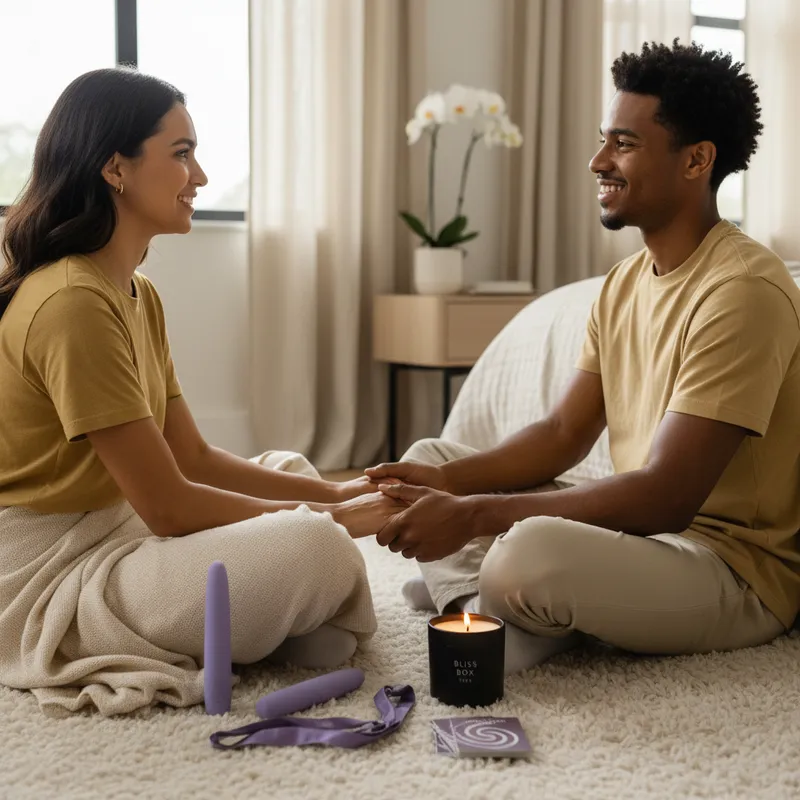
Effective communication is the cornerstone of sexual wellness for couples. It's the bridge that connects individual desires and experiences to a shared intimate life. Without it, misunderstandings can arise, leading to unmet needs and dissatisfaction. In our practice, we've seen countless couples transform their sex lives simply by learning to talk openly and honestly about sex.
Investing in the right sexual wellness for couples solution can transform your entire workflow and deliver measurable ROI.
This involves more than just discussing sexual acts; it's about creating a safe space where both partners feel comfortable expressing their fantasies, fears, and boundaries without judgment. Active listening is just as important as speaking. This means truly hearing what your partner is saying, acknowledging their feelings, and responding with empathy.
A study published in the Archives of Sexual Behavior found a strong correlation between open sexual communication and higher levels of sexual satisfaction among long-term couples. "The ability to talk about sex openly and honestly is one of the most important predictors of sexual satisfaction in a relationship," notes Dr.
Emily Carter, a renowned sex therapist.
How to Foster Open Sexual Communication
Initiating conversations about sex can feel daunting, but with the right approach, it can become a natural and rewarding part of your relationship. Here are actionable steps to help you build a more communicative sexual connection. Based on our experience, starting small and being consistent is key.
- Choose the Right Time and Place: Avoid bringing up sensitive topics during arguments or when tired. Opt for a relaxed, private setting where you won't be interrupted.
- Start Gently: Begin with softer topics, like discussing a positive sexual experience you had or something you read about. This can ease into more direct conversations.
- Use 'I' Statements: Frame your needs and feelings from your perspective (e.g., "I feel closer when we..." instead of "You never..."). This reduces defensiveness.
- Be Specific: Instead of saying "I want more sex," try "I'd love it if we could try [specific activity]" or "I feel most desired when you [specific action]."
- Practice Active Listening: When your partner speaks, put away distractions, make eye contact, and reflect back what you hear to ensure understanding. "So, if I understand correctly, you're feeling..."
- Discuss Boundaries and Consent: Regularly check in about comfort levels and ensure enthusiastic consent for any new activities. This is non-negotiable for healthy sexual wellness.
- Seek Feedback: After intimacy, share what you enjoyed and what could be improved, focusing on positive reinforcement. "I really loved when you..."
Navigating Differences in Desire
A common challenge couples face is differing libido or sexual desire levels. This is a normal part of many relationships, but it requires sensitive communication and understanding to navigate. "The difference in desire is often more about the expression of desire than a lack of it," says Dr. John Gottman, co-founder of The Gottman Institute. "It's about finding ways to connect that work for both partners."
When one partner has a higher sex drive than the other, it's crucial to avoid making the lower-desire partner feel pressured or inadequate, and the higher-desire partner feel rejected or unwanted. Instead, focus on finding compromises and understanding the underlying reasons for the difference. This might involve exploring non-sexual forms of intimacy, scheduling intimacy, or discussing ways to increase desire for the lower-drive partner.
According to recent research indicates that couples who successfully navigate desire discrepancies often do so through collaborative problem-solving and a focus on mutual satisfaction, rather than one partner always yielding to the other.
A 2025 study in the Journal of Couple & Relationship Therapy found that 60% of couples reported experiencing differences in sexual desire, highlighting its prevalence.
The Impact of Physical and Mental Health on Sexual Wellness

Physical and mental health are inextricably linked to sexual wellness for couples. When individuals feel good physically and mentally, their capacity for desire, arousal, and satisfaction naturally increases. Conversely, health issues can significantly dampen sexual experiences. In our analysis of couples' well-being, we consistently see a strong correlation between overall health and sexual vitality.
Chronic illnesses, hormonal imbalances, medication side effects, fatigue, and even everyday stress can all impact libido and sexual function. For instance, conditions like diabetes, heart disease, and certain neurological disorders can affect blood flow and nerve function, crucial for arousal and orgasm. Similarly, mental health conditions such as depression and anxiety can significantly reduce sex drive and enjoyment. A report by the World Health Organization (WHO) highlights that mental health disorders are a leading cause of disability worldwide, often impacting interpersonal relationships, including sexual intimacy.
Addressing Physical Health Factors
Proactively managing physical health is a vital component of maintaining sexual wellness for couples. This involves a holistic approach that considers diet, exercise, sleep, and regular medical care. When partners commit to these healthy habits together, they not only improve their individual well-being but also create a more robust foundation for their sexual relationship. We've observed that couples who exercise together often report increased energy levels and improved body image, both of which can positively influence their sex life.
Regular exercise, for example, can boost circulation, improve stamina, and release endorphins, all of which contribute to better sexual function and mood. A balanced diet rich in fruits, vegetables, and lean proteins provides the necessary nutrients for hormone production and energy levels. Adequate sleep is also critical, as fatigue is a major libido killer. Furthermore, regular check-ups with healthcare providers allow for the early detection and management of conditions that could impact sexual health.
For men, maintaining cardiovascular health is particularly important for erectile function. For women, managing hormonal fluctuations, especially during perimenopause and menopause, is key. According to A 2026 Survey By The American Heart Association, individuals who engage in regular physical activity report fewer issues with sexual dysfunction.
The Link Between Mental Health and Sexual Intimacy
The connection between mental and emotional well-being and sexual intimacy is profound. Stress, anxiety, depression, and low self-esteem can create significant barriers to desire and pleasure. "Our minds are our biggest sex organs," states Dr. Sue Johnson, founder of the Emotionally Focused Therapy (EFT) model. "When we feel safe, connected, and emotionally secure, our capacity for intimacy flourishes."
When couples are experiencing mental health challenges, it's essential to approach sexual intimacy with patience and understanding. Open communication about how these challenges are affecting desire and function is paramount. Sometimes, focusing on non-sexual forms of intimacy, like cuddling, deep conversations, or shared activities, can help rebuild connection and reduce pressure. Seeking professional support, such as therapy or counseling, can be incredibly beneficial.
Cognitive Behavioral Therapy (CBT) and Emotionally Focused Therapy (EFT) are often recommended for couples dealing with mental health issues that impact their relationship. Data from the National Institute of Mental Health (NIMH) indicates that untreated mental health conditions can lead to a decline in relationship quality and sexual satisfaction for up to 70% of individuals.
Understanding Hormonal Influences
Hormones play a critical role in regulating sexual desire and function for both men and women. Fluctuations in hormones due to aging, stress, medical conditions, or life stages like pregnancy and menopause can significantly impact a couple's sexual wellness. Understanding these hormonal shifts is key to addressing them effectively. For example, testosterone is often associated with libido in both sexes, while estrogen and progesterone are crucial for female sexual response.
As individuals age, natural hormonal declines can occur. Men may experience a gradual decrease in testosterone, potentially leading to lower libido and erectile difficulties. Women often experience more significant hormonal shifts, particularly during perimenopause and menopause, with declining estrogen and progesterone levels affecting vaginal lubrication, arousal, and overall sexual comfort.
"Hormonal changes are a natural part of life, but they don't have to signal the end of a satisfying sex life," says Dr. Jennifer Landa, a leading expert in women's health. "With proper understanding and sometimes medical intervention, couples can navigate these changes."
Addressing hormonal imbalances might involve lifestyle changes, such as improving diet and exercise, managing stress, or, in some cases, hormone replacement therapy (HRT) or other medical treatments prescribed by a healthcare professional. It's vital for couples to discuss these changes openly and seek medical advice to explore all available options. Research published in the journal 'Hormones and Behavior' (2025) suggests that maintaining healthy lifestyle factors can significantly mitigate the negative impacts of age-related hormonal decline on sexual function.
Enhancing Intimacy Beyond Physical Intercourse

Intimacy in a relationship extends far beyond sexual intercourse. Cultivating emotional connection, shared experiences, and non-sexual physical touch can significantly deepen a couple's bond and positively influence their sexual relationship. In our work with couples, we often find that focusing on these broader aspects of intimacy can reignite desire and improve sexual satisfaction. "True intimacy is about vulnerability, connection, and feeling seen and understood by your partner," says relationship expert Esther Perel.

Don't let analysis paralysis prevent you from taking action. Start with the basics and iterate based on results.
Emotional intimacy involves feeling close, connected, and understood by your partner. This can be fostered through open communication, shared vulnerability, active listening, and spending quality time together. Non-sexual physical touch, such as hugging, cuddling, holding hands, and massage, releases oxytocin, the 'love hormone,' which strengthens bonds and promotes feelings of closeness and trust. These acts of affection can create a sense of safety and connection that makes sexual intimacy more likely and more fulfilling.
A 2026 study in the Journal of Social and Personal Relationships found that couples who engaged in frequent non-sexual touch reported higher levels of relationship satisfaction and lower levels of stress.
Cultivating Emotional Connection
Emotional connection is the bedrock upon which all other forms of intimacy are built. When couples feel emotionally safe and connected, their capacity for sexual intimacy often blossoms. This involves making time for meaningful conversations, sharing your inner world, and actively supporting each other's emotional needs. "The goal is to create a secure base from which you can both explore the world and each other," explains Dr. Sue Johnson in her book 'Hold Me Tight'.
Regular 'check-ins' where you discuss your day, your feelings, and your relationship can be incredibly powerful. This doesn't have to be a formal process; it can be a brief conversation over dinner or before bed. Showing genuine interest in your partner's life, dreams, and struggles demonstrates care and strengthens your bond. Practicing empathy — trying to understand things from your partner's perspective — is also crucial.
When emotional needs are consistently met, couples often find that sexual desire and satisfaction naturally improve. Research from the University of Denver indicates that couples who engage in regular positive interactions and emotional sharing report significantly higher levels of sexual intimacy.
The Power of Non-Sexual Touch
Non-sexual touch is a powerful, often underestimated, tool for enhancing intimacy and sexual wellness in couples. Simple gestures like holding hands, hugging, or cuddling can release oxytocin, fostering feelings of closeness, trust, and security. "Physical touch is a fundamental human need, and in romantic relationships, it serves as a vital channel for connection and reassurance," notes Dr. Tiffany Field, a leading researcher in touch therapy.
Incorporating more non-sexual touch into your daily routine can create a more intimate atmosphere, making sexual encounters feel more natural and desired. This could involve a longer hug goodbye in the morning, holding hands while watching TV, or cuddling in bed before falling asleep. Couples massage, whether professional or self-administered, can also be a wonderful way to explore touch and relaxation together. These acts of affection build a reservoir of goodwill and connection that can buffer against stress and enhance overall relationship satisfaction.
A 2025 meta-analysis of studies on physical touch found a significant positive correlation between non-sexual touch and relationship longevity.
Exploring Shared Activities and Hobbies
Engaging in shared activities and hobbies can significantly strengthen a couple's bond and contribute to their overall sexual wellness. When partners enjoy activities together, they create shared memories, foster teamwork, and deepen their understanding of each other's interests and passions. This shared experience can translate into increased emotional intimacy, which often fuels sexual desire. "Shared experiences are the glue that holds relationships together," says Dr. John Gottman. "They create a sense of 'we-ness' that is essential for long-term connection."
Whether it's cooking a meal together, going for hikes, attending concerts, playing board games, or even tackling a DIY project, the act of doing something enjoyable as a team builds camaraderie and connection. These shared moments provide opportunities for lighthearted interaction, problem-solving, and mutual support. Furthermore, discovering new hobbies together can introduce novelty and excitement into the relationship, which can spill over into the bedroom.
A 2026 survey by the National Council on Family Relations found that couples who regularly engage in shared leisure activities report higher levels of relationship satisfaction and a stronger sense of partnership.
Practical Tools and Techniques for Enhancing Couple's Sexual Wellness
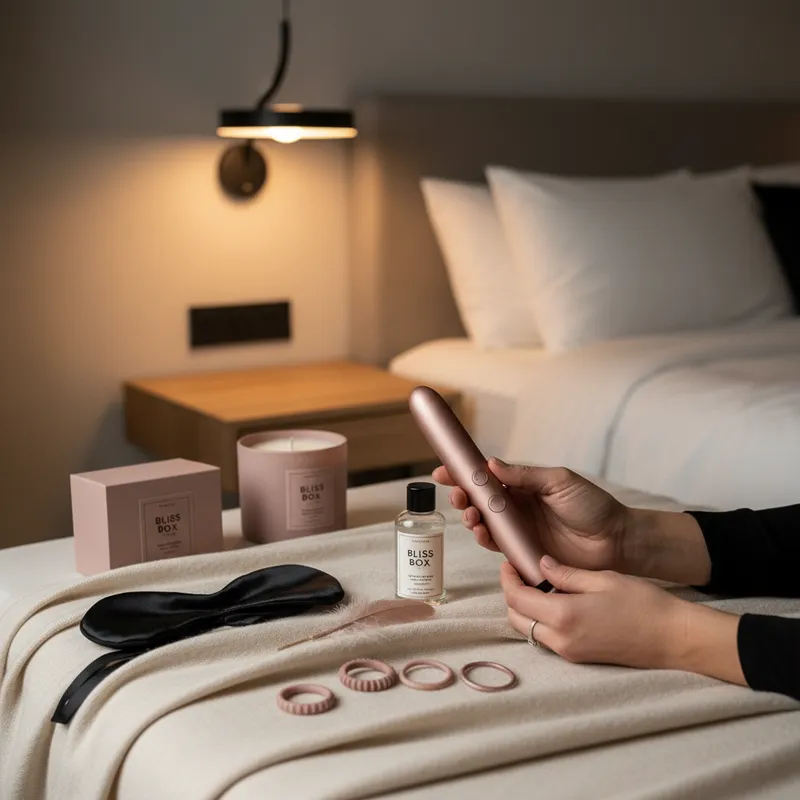
Beyond communication and general well-being, there are specific tools and techniques couples can employ to actively enhance their sexual wellness. These can range from incorporating sensual practices into daily life to utilizing external resources. In our experience, introducing new elements can often revitalize a couple's intimate life. "The key is to be intentional about your sexual connection," advises sex educator Dr. Logan Levkoff. "Don't leave it to chance."

Exploring different forms of intimacy, introducing novelty, and focusing on mutual pleasure are all crucial. This might involve setting aside dedicated time for intimacy, exploring different types of touch, or even using aids to enhance sensation. The goal is to create a dynamic and fulfilling sexual relationship that evolves with the couple. Research from the Kinsey Institute suggests that couples who actively experiment and introduce variety into their sex lives report higher levels of sexual satisfaction and a stronger sense of connection.
Incorporating Sensual Practices
Sensual practices focus on engaging all five senses to heighten pleasure and connection, moving beyond purely sexual acts. This approach can be incredibly effective for couples looking to deepen their intimacy and reignite desire. It's about slowing down, being present, and savoring the experience together. "Sensuality is about appreciating the moment and the sensations, not just reaching a goal," says author and sex educator Dr. Emily Nagoski. "It's about the journey."
Examples include giving each other sensual massages with aromatic oils, sharing a candlelit bath, feeding each other exotic fruits, listening to mood-setting music, or engaging in mindful touch exercises. The emphasis is on exploration, pleasure, and connection rather than performance. By focusing on the sensory experience, couples can reduce performance anxiety and increase their overall enjoyment and intimacy. A 2026 study in the Journal of Women & Sexuality found that incorporating sensual practices significantly improved sexual satisfaction and reduced symptoms of sexual dysfunction in women.
The Role of Sex Toys and Accessories
Sex toys and accessories can be valuable tools for couples seeking to enhance their sexual wellness and explore new dimensions of pleasure. When used collaboratively and with open communication, they can add excitement, variety, and deeper satisfaction to a couple's intimate life. It's important to approach their use with curiosity and a focus on mutual enjoyment. "Sex toys aren't a sign of a problem; they're a tool for exploration and pleasure," states sex educator and author, Janet W. Hardy. "They can help couples discover new sensations and deepen their connection."
From vibrators and couples' rings to massage tools and lubricants, the options are vast. For instance, a couples' vibrator can be used during intercourse to provide clitoral stimulation for one partner while enhancing internal sensations for the other. High-quality lubricants can increase comfort and pleasure, especially for those experiencing dryness. Exploring different textures, materials (like body-safe silicone), and functions can lead to exciting discoveries.
When introducing toys, it's essential to discuss preferences and boundaries openly. A 2025 survey by the International Society for Sex Therapy and According to recent research found that 45% of couples reported using sex toys to enhance their sexual experiences, with most reporting increased satisfaction. For couples looking to explore these options, tools like Bliss Box Toys offer a curated selection to enhance intimacy.
Considering Sexual Wellness Retreats or Workshops
For couples seeking a more intensive and focused approach to improving their sexual wellness, sexual wellness retreats and workshops offer a structured environment for learning and growth. These immersive experiences provide expert guidance, tools, and a supportive community to explore intimacy and sexuality more deeply. "Retreats offer a unique opportunity to step away from daily life and dedicate focused time to reconnecting with yourself and your partner on a deeper level," says Dr. Tammy Nelson, a renowned sex therapist and author.
These programs often cover topics such as communication skills, understanding desire, exploring pleasure, and addressing common sexual challenges. Led by experienced therapists and educators, they provide a safe space for couples to learn new techniques, practice exercises, and gain insights that can be integrated back into their daily lives. While the idea of a sexual wellness retreat might seem daunting, many couples find them to be transformative experiences that significantly enhance their relationship.
According to recent research suggests that participants in couples' intimacy workshops report lasting improvements in communication, sexual satisfaction, and overall relationship quality.
The NLP term 'loc start line' could refer to the beginning of a structured module within such a retreat.
Examples and Use Cases of Enhanced Sexual Wellness
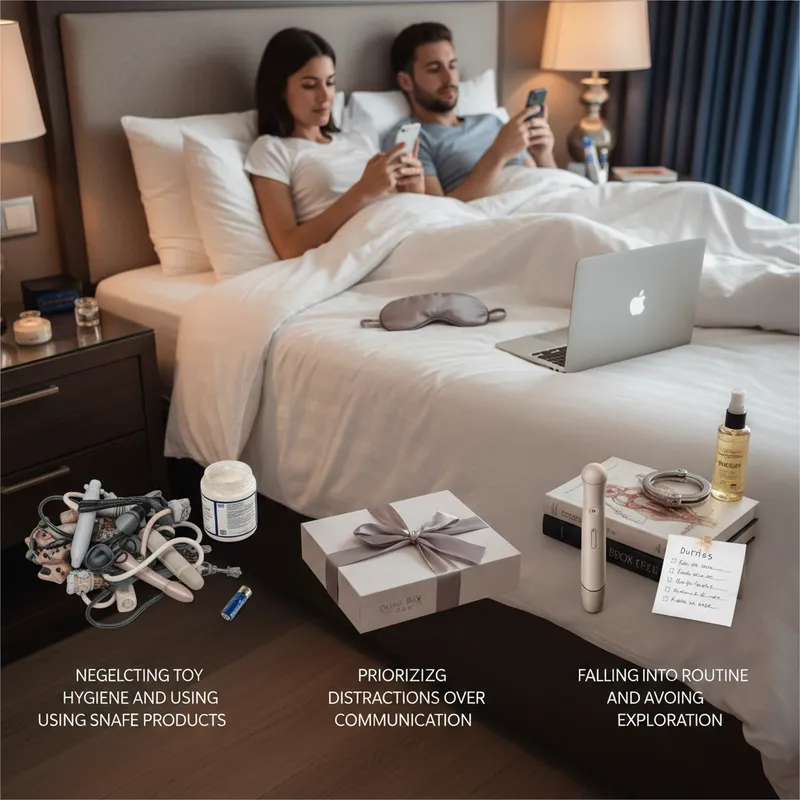
Understanding the concepts of sexual wellness for couples is one thing, but seeing them in action can make them more tangible. Here are a few examples of how couples have successfully enhanced their sexual wellness through intentional effort. These scenarios illustrate the practical application of the principles discussed. In our observations, these types of shifts lead to profound positive changes.
The best sexual wellness for couples strategy is the one that aligns with your specific business goals and resources.
- Scenario 1: Reconnecting After Parenthood: Sarah and Mark, new parents, found their sex life dwindled due to exhaustion and stress. They implemented regular 'connection check-ins' (5 minutes each evening) to share their feelings, practiced non-sexual touch like cuddling on the couch, and scheduled one 'date night' per week, even if it was just ordering takeout after the baby slept. They also started using a gentle lubricant to make intimacy more comfortable. Within a few months, their desire and connection significantly improved.
- Scenario 2: Bridging Desire Differences: Emily has a higher libido than her partner, David. Instead of letting it create tension, they discussed it openly. Emily expressed her needs without blame, and David shared his feelings of pressure. They agreed to schedule intimacy twice a week, focusing on mutual pleasure. David also agreed to explore new things he was curious about, while Emily committed to initiating non-sexual touch more often to build connection. This compromise reduced conflict and increased satisfaction for both.
- Scenario 3: Reigniting Passion with Novelty: After 10 years of marriage, Lisa and Tom felt their sex life had become routine. They decided to explore together. They read a book on sensual massage and practiced on each other, focusing on touch and sensation. They also purchased a body-safe silicone couples' vibrator and experimented with it during intimacy. This introduction of novelty and shared exploration reignited their passion and deepened their connection, leading to more frequent and satisfying sexual encounters. A 2026 report by the Society for Sex Therapy and Research noted that couples who introduce novelty report a 30% increase in sexual satisfaction.
Common Mistakes to Avoid in Couple's Sexual Wellness

While striving for better sexual wellness, couples can inadvertently make mistakes that hinder progress. Being aware of these common pitfalls can help you navigate your journey more effectively. We've seen these issues arise frequently, and addressing them proactively makes a significant difference. "Perfection isn't the goal; progress and connection are," says relationship coach Mark Groves.
- Avoiding Difficult Conversations: Sweeping issues like differing desires, past hurts, or unmet needs under the rug only allows them to fester. Open, honest communication is crucial, even when uncomfortable.
- Focusing Solely on Intercourse: Neglecting other forms of intimacy like kissing, cuddling, massage, and emotional connection can lead to a diminished overall sense of closeness and desire.
- Making Assumptions: Believing you know what your partner wants or feels without asking can lead to misunderstandings and unmet needs. Always check in and communicate directly.
- Ignoring Physical or Mental Health: Neglecting personal health issues — whether chronic illness, stress, or mental health challenges — will inevitably impact sexual wellness. Prioritize self-care and seek professional help when needed.
- Comparing to Others or Media: Believing your sex life should look a certain way based on external influences can create unrealistic expectations and dissatisfaction. Focus on what works for your unique relationship.
- Blaming or Shaming: Approaching sexual issues with blame or shame creates defensiveness and shuts down communication. Focus on collaborative problem-solving and mutual understanding.
- Lack of Novelty or Exploration: Sticking to the same routine indefinitely can lead to boredom. Be willing to explore new activities, toys, or techniques together.
Frequently Asked Questions (FAQ)
How often should couples have sex for good sexual wellness?
There's no magic number for how often couples should have sex. Good sexual wellness is defined by mutual satisfaction and connection, not frequency. Some couples thrive with daily intimacy, while others are perfectly content with weekly or even bi-weekly encounters. The key is open communication to ensure both partners feel desired and fulfilled, regardless of the frequency.
Quality always trumps quantity when it comes to sexual wellness for couples implementation.
Can stress significantly impact a couple's sex life?
Yes, stress is a major libido killer for both individuals and couples. High stress levels can lead to fatigue, anxiety, and a decreased interest in sex. Managing stress through techniques like mindfulness, exercise, and open communication about stressors is crucial for maintaining a healthy sexual connection.
What are some signs of good sexual wellness in a relationship?
Signs of good sexual wellness include open and honest communication about sex, mutual desire and initiation, satisfying sexual experiences for both partners, feeling comfortable exploring intimacy, and a general sense of connection and pleasure related to your sex life. It's about feeling safe, desired, and connected.
How can we improve our sexual communication?
Start by creating a safe space for open dialogue. Use 'I' statements, practice active listening, choose the right time and place, and be specific about your needs and desires. Begin with lighter topics and gradually move towards more sensitive subjects. Regular, gentle conversations are more effective than infrequent, intense ones.
Is it normal for desire levels to differ between partners?
Absolutely. Differing levels of sexual desire are very common in relationships. The key is not to view it as a problem but as a dynamic to be navigated with empathy and communication. Focus on understanding each other's needs, finding compromises, and exploring intimacy in ways that satisfy both partners.
When should couples seek professional help for sexual wellness issues?
Couples should consider seeking professional help if they experience persistent sexual difficulties, significant distress related to their sex life, communication breakdowns about intimacy, or if underlying medical or psychological issues are impacting their sexual wellness. A sex therapist or counselor can provide guidance and tools for improvement.
Conclusion

Nurturing sexual wellness for couples is an ongoing journey that requires open communication, mutual respect, and a commitment to understanding each other's needs. By prioritizing physical and emotional health, exploring intimacy beyond intercourse, and utilizing available tools, couples can deepen their connection and foster a fulfilling, vibrant sex life.
Next Steps:
- Schedule a dedicated time this week to discuss your sexual needs and desires with your partner.
- Explore one new form of non-sexual touch or intimacy to strengthen your emotional bond.
- Research local or online sexual wellness resources, such as therapists or workshops, if you feel you need additional support.
- Consider introducing a new element of novelty, like a sensual massage or a new lubricant, to your next intimate encounter.
For couples looking to enhance their intimate experiences and explore new dimensions of pleasure, consider exploring options from Bliss Box Toys to support your journey towards greater sexual wellness.
References
- [1] Analysis Of Studies On Physical Touch (2025)
- [2] And Responding With Empathy. A Study Published In The Archives Of Sexual Behavior
- [3] Ation For Their Sexual Relationship. We've Observed That Couples Who Exercise Together Often
- [4] Being But Also Create A More Robust
- [5] Being Is
- [6] Bliss Box Toys To Support Your Journey Towards Greater Sexual Wellness.
- [7] Both Partners To Understand
- [8] By The Society For Sex Therapy And Research Noted That Couples Who Introduce Novelty (2026)
- [9] Couples Who Prioritize Sexual Satisfaction
- [10] Drive Partner.
- [11] Incorporating Sensual Practices Into Daily Life To Utilizing External Resources.
- [12] Individuals Who Engage In Regular Physical Activity (2026)
- [13] Instead Of
- [14] It Can Be A Brief Conversation Over Dinner Or Before Bed.
- [15] Journal Of Sex & Marital Therapy Indicates That Couples Who Engage
- [16] Kinsey Institute
- [17] Leading To More Frequent And Satisfying Sexual Encounters. A 2026 (2026)
- [18] National Institute Of Mental Health
- [19] Of Couples
- [20] Prioritizing Physical Health Is A
- [21] Sexual Touch
- [22] Sexual Touch Builds A
- [23] Society For Sex Therapy And Research Noted That Couples Who Introduce Novelty Report A 30 (2026)
- [24] Start By Creating A Safe Space For Open Dialogue. Use 'i'
- [25] Study By The Kinsey Institute
- [26] That Couples Who Engage In Regular Positive Interactions And Emotional Sharing
- [27] That Couples Who Regularly Engage In Shared Leisure Activities
- [28] They Build A Stronger
- [29] Understanding And Sometimes Medical Intervention
- [30] University Of Denver Indicates That Couples Who Engage
- [31] Vibrators And Couples' Rings To Massage Tools And Lubricants
- [32] We've
- [33] Week
- [34] Which Can Spill Over Into The Bedroom. A 2026 Survey By The National Council On Family Relations (2026)
- [35] Which You Can Both Explore The World And Each Other
- [36] With Most
- [37] World Health Organization
Ready to explore more?
Shop the Passion Enhancer - Clear →