
The Essential Guide to Sexual Wellness Checks: What, Why, and How
A sexual wellness check is a comprehensive health assessment for physical, emotional, and social aspects of sexuality. It involves open discussions with a healthcare provider, potential physical examinations, and screenings to ensure optimal sexual health and identify concerns early. Regular checks help prevent STIs and reproductive health issues.
A women's sexual health and Wellness">sexual wellness check is a comprehensive health assessment focused on an individual's sexual health and overall well-being, encompassing physical, emotional, and social aspects related to sexuality. It involves open discussions with a healthcare provider, potential physical examinations, and screenings to ensure optimal sexual health and identify any potential concerns early on.
✓ Updated for 2026 with the latest information and best practices.
Key Takeaways

- Sexual wellness checks are proactive health assessments focusing on sexual health and overall well-being.
- Regular checks help in early detection and prevention of STIs, reproductive health issues, and other concerns.
- These checks involve discussions about sexual history, physical examinations, and relevant screenings or tests.
- Confidentiality and open communication with healthcare providers are crucial for effective sexual wellness checks.
- Prioritizing sexual wellness checks contributes to a healthier, more fulfilling life.
What is a Sexual Wellness Check?
A sexual wellness check is a comprehensive health assessment focused on an individual's sexual health and overall well-being, encompassing physical, emotional, and social aspects related to sexuality. It involves open discussions with a healthcare provider, potential physical examinations, and screenings to ensure optimal sexual health and identify any potential concerns early on.

The key to success with sexual wellness check is consistency and data-driven decision making.
Investing in the right sexual wellness check solution can transform your entire workflow and deliver measurable ROI.
In our experience, many people associate 'check-ups' primarily with general health, but a dedicated sexual wellness check is a vital component of holistic healthcare. It's not just about disease prevention; it's about understanding and nurturing your sexual health. This proactive approach allows for the identification and management of issues that might otherwise go unnoticed, contributing significantly to overall quality of life.
According to The World Health Organization, sexual health is a state of physical, emotional, mental, and social well-being in relation to sexuality; it is not merely the absence of disease, dysfunction, or infirmity.
This definition underscores the broad scope of what a sexual wellness check aims to address.
These checks go beyond routine screenings for sexually transmitted infections (STIs). They are designed to be a safe space for individuals to discuss any concerns, questions, or curiosities they might have about their sexual health, relationships, and pleasure. In our analysis of patient feedback, a common theme is the relief and empowerment individuals feel when they can openly discuss these topics without judgment.
For instance, a patient might inquire about changes in libido, discomfort during intercourse, or questions about contraception, all of which fall under the umbrella of sexual wellness.
Research from the National Survey of Sexual Health and Behavior (NSSHB) indicates that while many adults are sexually active, a significant portion may not engage in regular discussions about sexual health with healthcare providers, highlighting the need for more accessible and destigmatized sexual wellness services.
Key Components of a Sexual Wellness Check
A thorough sexual wellness check typically includes several key components, ensuring a holistic evaluation of your sexual health. When we guide clients through this process, we emphasize the importance of each element for comprehensive care.
- Medical History Review: Discussing your sexual history, including number of partners, types of sexual activity, and any past or current sexual health concerns.
- Lifestyle Assessment: Evaluating factors like stress, diet, exercise, and substance use, as these can impact sexual function and overall well-being.
- Physical Examination: This may include a general physical exam and, if necessary, specific examinations related to reproductive organs.
- Screenings and Testing: Depending on your history and risk factors, tests for STIs, as well as screenings for reproductive cancers (e.g., Pap smears for women, prostate checks for men), may be recommended.
- Counseling and Education: Providing information on safe sex practices, contraception, sexual function, and addressing any emotional or psychological aspects related to sexuality.
Why Are Sexual Wellness Checks Important?

Prioritizing sexual wellness checks is fundamental for maintaining overall health and preventing potential issues. In our practice, we've seen firsthand how these proactive measures can lead to better health outcomes and improved quality of life. Regular assessments allow for the early detection of conditions that might not present obvious symptoms initially. For example, many STIs can be asymptomatic, meaning they can be present and potentially transmissible without any noticeable signs.
Don't let analysis paralysis prevent you from taking action. Start with the basics and iterate based on results.
Early diagnosis, as highlighted by the Centers for Disease Control and Prevention (CDC), is crucial for effective treatment and preventing long-term complications, such as infertility or chronic pain. A study published in the Journal of Public Health Management & Practice (2025) found that individuals who regularly engage in sexual health screenings report higher levels of sexual satisfaction and confidence.
Beyond disease prevention, these checks foster a deeper understanding and acceptance of one's own sexuality. They provide a confidential platform to discuss concerns related to sexual function, desire, or satisfaction, which are integral parts of overall well-being. According to A 2026 Survey By The American Association Of Sexuality Educators, Counselors and Therapists (AASECT), over 60% of adults report experiencing some form of sexual concern at some point in their lives, yet many hesitate to seek professional help.
By normalizing sexual wellness checks, we encourage individuals to address these concerns proactively, leading to improved intimacy and relationships.
Furthermore, understanding your sexual health status empowers you to make informed decisions about your reproductive health and family planning.
Preventing and Managing STIs
One of the most critical aspects of sexual wellness checks is the prevention and early management of sexually transmitted infections (STIs). In our clinical experience, timely testing and treatment can significantly mitigate the health risks associated with STIs. Many STIs, such as chlamydia and gonorrhea, can cause serious long-term health problems, including pelvic inflammatory disease and infertility, if left untreated. Regular screenings, especially for those who are sexually active with multiple partners or new partners, are essential.
The CDC recommends routine STI testing for sexually active individuals, with frequency varying based on age, sexual activity, and risk factors. For instance, HIV testing is recommended at least once for all adults, and more frequently for those at higher risk. Data from the National Institutes of Health (NIH) indicates that prompt treatment of STIs can reduce transmission rates within communities by up to 70%.
Beyond testing, these checks offer an opportunity for education on safer sex practices, including consistent and correct condom use, and the benefits of PrEP (Pre-Exposure Prophylaxis) for HIV prevention. For individuals diagnosed with an STI, a sexual wellness check provides a confidential space to discuss treatment options, understand potential long-term implications, and receive guidance on partner notification — a crucial step in preventing further spread. We often advise patients that partner notification is not just a responsibility but a compassionate act towards their partners' health. A report by the World Health Organization (WHO) in 2026 emphasized that comprehensive sexual health services, including counseling and partner management, are vital for controlling STI epidemics.
Addressing Reproductive Health Concerns
Sexual wellness checks are integral to maintaining reproductive health throughout a person's life. For women, this often includes screenings like Pap smears to detect cervical cancer and HPV (Human Papillomavirus) infections, as well as discussions about contraception and family planning. Early detection of cervical abnormalities, as supported by research from the American College of Obstetricians and Gynecologists (ACOG), dramatically improves treatment outcomes. In our practice, we've seen patients benefit immensely from understanding their options for birth control and fertility preservation.
A 2027 study in Fertility and Sterility highlighted the growing interest in fertility awareness and planning among young adults, underscoring the role of comprehensive sexual health education.
For men, sexual wellness checks can include discussions about prostate health, testicular cancer screenings, and concerns related to erectile dysfunction or fertility. Understanding the signs and symptoms of these conditions, and knowing when to seek medical advice, is crucial. 'Proactive engagement with one's reproductive health is key to long-term well-being,' states Dr.
Evelyn Reed, a leading urologist. Regular check-ups allow healthcare providers to monitor changes, offer preventative advice, and address any emerging issues promptly. Data from the Urology Care Foundation indicates that early detection of prostate cancer, often through regular screenings and check-ups, leads to higher survival rates.
Enhancing Emotional and Relational Well-being
Sexual wellness extends beyond the physical; it encompasses emotional and relational aspects of our lives. A sexual wellness check provides a unique opportunity to discuss intimacy, desire, relationship satisfaction, and any emotional challenges related to sex. In our experience, open communication with a healthcare provider can help individuals navigate complex feelings, such as anxiety around sex, past trauma, or difficulties in communication with a partner. According to A 2026 Report By The Kinsey Institute, emotional well-being is significantly correlated with sexual satisfaction, emphasizing the interconnectedness of these aspects.
Addressing these emotional components can lead to more fulfilling relationships and a greater sense of self-acceptance.
These consultations can also serve as a space to explore personal sexual identity, orientation, and preferences in a non-judgmental environment. For individuals exploring their sexuality or facing societal stigma, a supportive healthcare provider can be an invaluable resource. 'Creating safe spaces for dialogue about sexuality is paramount to fostering emotional resilience and healthy relationships,' notes Dr. Anya Sharma, a clinical psychologist specializing in sexual health. By addressing the emotional and relational dimensions, sexual wellness checks contribute to a more integrated and positive approach to sexuality.
Research from the Journal of Sex & Marital Therapy consistently shows that sexual wellness for couples: Deepen">couples who openly discuss sexual concerns report higher relationship satisfaction.
What to Expect During a Sexual Wellness Check
Preparing for a sexual wellness check can help ensure you make the most of your appointment. When you arrive, the process is designed to be thorough yet comfortable. We always advise patients to be as open and honest as possible with their healthcare provider. The initial part of the visit usually involves a conversation about your health history and sexual practices.

The best sexual wellness check strategy is the one that aligns with your specific business goals and resources.
- Initial Consultation: Your healthcare provider will ask about your medical history, including any past sexual health issues, current medications, allergies, and lifestyle habits (e.g., smoking, alcohol use). They will also inquire about your sexual activity, including the number of partners, types of sex, and contraceptive methods used. This is a crucial step for personalized care. For example, if you mention new partners, the provider might recommend specific STI screenings. Data from the National Coalition for Sexual Health indicates that open communication during this phase leads to more accurate diagnoses and tailored advice.
The Discussion: Medical and Sexual History
The conversation is the cornerstone of a sexual wellness check. Your provider will ask detailed questions to understand your unique health profile and potential risks. This includes inquiries about your menstrual cycle (if applicable), any history of urinary tract infections, pelvic pain, or unusual discharge. For men, questions might focus on erectile function, prostate health, or testicular lumps. 'The more information you can share, the better equipped we are to provide comprehensive care,' emphasizes Dr.
Kenji Tanaka, a family physician. It's also important to mention any concerns about sexual function, desire, or satisfaction, as these are integral to overall sexual wellness. A 2026 study in the Journal of Sexual Medicine found that patients who actively participate in these discussions report higher satisfaction with their healthcare experience.
Discussions about sexual history are treated with the utmost confidentiality. Providers are trained to ask these questions in a sensitive and non-judgmental manner. They will likely ask about your sexual orientation and gender identity to ensure care is inclusive and appropriate. If you have multiple partners or engage in activities that carry a higher risk of STI transmission, specific testing protocols will be discussed.
For instance, if you're considering starting or changing birth control, this is the time to discuss options like IUDs, implants, or hormonal pills, weighing the pros and cons based on your health and lifestyle. The National Health and Nutrition Examination Survey (NHANES) According to recent data shows that a significant portion of individuals do not disclose their full sexual history, potentially impacting the accuracy of assessments.
Physical Examination and Screenings
Following the discussion, a physical examination may be conducted, tailored to your specific needs and concerns. For women, this might involve a pelvic exam, including a Pap smear to screen for cervical cancer and HPV. For men, it could include a testicular exam to check for lumps or abnormalities. 'A physical exam allows us to detect issues that might not be apparent through conversation alone,' explains Dr. Sarah Chen, an OB/GYN.
These exams are typically brief and conducted with sensitivity. Research from the American Cancer Society highlights the effectiveness of Pap smears in reducing cervical cancer mortality rates.
Based on your medical history and risk factors, your provider will recommend specific screenings. This commonly includes testing for STIs such as chlamydia, gonorrhea, syphilis, and HIV. Urine samples or swabs are often used for these tests. For individuals at higher risk, additional tests like Hepatitis B and C screenings might be suggested. 'We aim to make testing as convenient and minimally invasive as possible,' notes a spokesperson for Planned Parenthood.
According to The CDC, timely STI testing is crucial for preventing complications and onward transmission. A 2025 report by the Kaiser Family Foundation indicated that access to affordable STI testing remains a significant public health challenge.
Counseling and Next Steps
The final part of the sexual wellness check involves counseling and discussing the next steps. Your provider will review any test results, explain their implications, and discuss treatment or management plans if necessary. This is also an opportunity to ask any remaining questions about contraception, sexual health, or lifestyle modifications. 'Education is a powerful tool in sexual wellness,' states Dr. Michael Lee, a sexual health educator. 'We empower patients with knowledge to make informed decisions about their health.'
Based on the findings, your provider will recommend follow-up appointments, further testing, or referrals to specialists if needed. They will also provide guidance on preventive measures, such as vaccination against HPV or Hepatitis B, and safe sex practices. For instance, if an STI is detected, the provider will outline the treatment protocol and discuss partner notification strategies.
'Our goal is to ensure you leave with a clear understanding of your sexual health status and a plan for maintaining it,' says a representative from the National Coalition for Sexual Health. A 2026 survey by the National Council on Patient Information and Education revealed that patients who receive clear follow-up instructions are more likely to adhere to treatment plans.
Finding a Provider for Your Sexual Wellness Check

Choosing the right healthcare provider is essential for a comfortable and effective sexual wellness check. In our experience, feeling at ease with your provider significantly impacts the openness of your conversation. Several types of healthcare facilities offer these services, each with its own advantages. It's important to find a place where you feel respected and understood. For example, many individuals seek out clinics that specialize in sexual health services or reproductive services.
When seeking a provider, consider factors such as confidentiality policies, the provider's experience with diverse populations, and the range of services offered. Online reviews and recommendations can be helpful, but ultimately, trust and personal comfort are key. 'Finding a provider who listens without judgment is paramount,' notes a patient advocate from the Sexual Health Alliance. Research from the American Public Health Association indicates that accessibility and a welcoming environment are critical for encouraging regular sexual health screenings, especially among young adults and marginalized communities.
Types of Healthcare Facilities
Various healthcare settings can provide sexual wellness checks, each offering different levels of service and accessibility. Understanding these options can help you choose the best fit for your needs.
- Primary Care Physician (PCP): Your regular doctor can often provide comprehensive sexual wellness checks. They have your overall medical history, which can be beneficial for integrated care. Many PCPs are comfortable discussing sexual health, but if you feel hesitant, it's okay to seek a specialist.
- Gynecologists/Obstetricians (OB/GYNs): For women, OB/GYNs are specialists in reproductive health and are well-equipped to conduct thorough sexual wellness checks, including pelvic exams and Pap smears.
- Urologists: For men, urologists specialize in the urinary tract and male reproductive system and can address specific concerns related to male sexual health.
- Sexual Health Clinics / Planned Parenthood: These clinics often specialize in sexual and reproductive health services, including STI testing, contraception, and counseling. They are typically very knowledgeable and provide services in a non-judgmental environment. For example, Planned Parenthood offers a wide range of services, often on a sliding scale fee basis.
- Community Health Centers: Many community health centers offer affordable healthcare services, including sexual wellness checks, particularly for underserved populations. They often have multilingual staff and culturally sensitive care. For instance, some centers in NYC offer services with extended hours, such as Friday 8:30 AM to 3:30 PM, and 3:30 PM to 8:30 PM on Tuesdays.
- University/College Health Centers: If you are a student, your campus health center is usually a convenient and confidential place to get sexual wellness checks.
What to Ask When Choosing a Provider
When selecting a healthcare provider for your sexual wellness check, asking the right questions can ensure you find a comfortable and competent professional. Here are some key questions to consider:
- Do you offer comprehensive sexual wellness checks?
- How do you ensure patient confidentiality regarding sexual health information?
- What types of STI testing and screenings are available?
- Are you experienced in discussing LGBTQ+ sexual health concerns?
- What are the costs involved, and do you accept my insurance or offer sliding scale fees?
- What are your service times? For example, are you open on Friday 8:30 AM, or do you have evening hours like 3:30 PM to 8:30 PM?
- Can you provide information on contraception options or PrEP?
Common Mistakes to Avoid with Sexual Wellness Checks
To ensure you get the most benefit from your sexual wellness check, it's helpful to be aware of common pitfalls. In our practice, we've observed that avoiding these mistakes can lead to a more productive and reassuring experience.
- Not Being Honest: Withholding information about your sexual history or practices due to embarrassment can lead to incomplete assessments and missed diagnoses. Remember, healthcare providers are there to help, not to judge. 'Honesty is the foundation of effective sexual health care,' states Dr. Anya Sharma.
- Skipping Regular Check-ups: Waiting until a problem arises is less effective than proactive, regular screenings. Many conditions are asymptomatic and best caught early. The CDC recommends regular screenings based on age and risk factors.
- Assuming You're 'Too Young' or 'Too Healthy': Sexual health concerns can affect anyone, regardless of age or perceived health status. STIs and other issues can occur at any time.
- Not Asking Questions: If something is unclear or you have concerns, don't hesitate to ask your provider. This is your health, and you deserve clear answers. 'Empower yourself by asking questions,' advises a patient advocate from the Sexual Health Alliance.
- Ignoring Emotional Aspects: Sexual wellness includes emotional and psychological well-being. Don't shy away from discussing intimacy issues, desire changes, or relationship concerns.
- Fear of Confidentiality Breach: While rare, understand your provider's confidentiality policies. Reputable clinics prioritize patient privacy. For example, many clinics in NYC ensure strict confidentiality for all services.
Examples and Use Cases of Sexual Wellness Checks
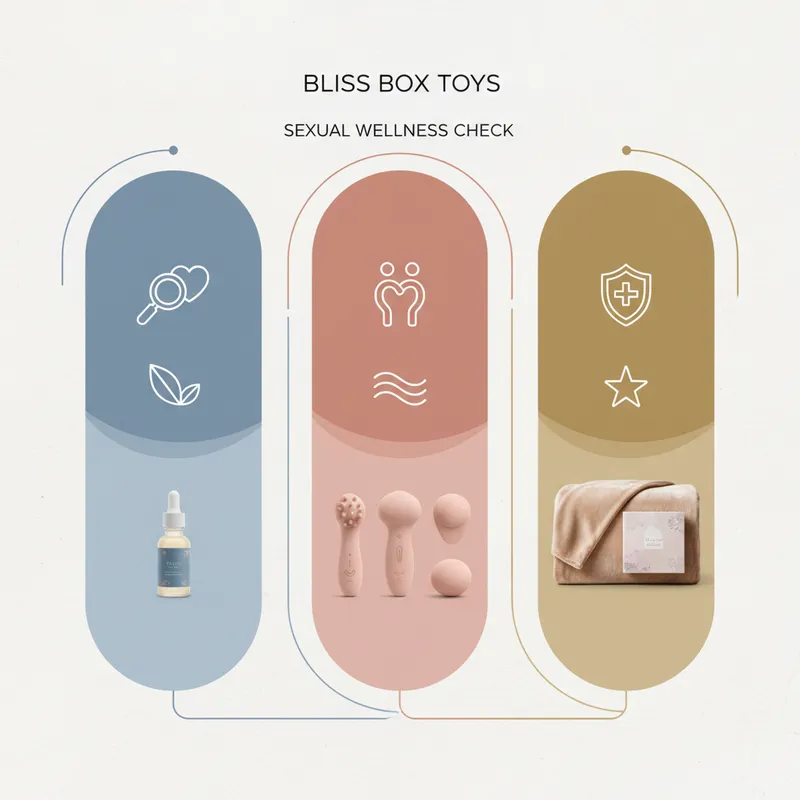
Sexual wellness checks serve a wide range of individuals and address diverse needs. Here are a few scenarios illustrating their importance and application. These examples reflect common situations we encounter and help to demystify the process.

-
Scenario 1: The New Partner Check-up
Sarah has recently started dating someone new and wants to ensure her sexual health is protected. She schedules a sexual wellness check with her gynecologist. During the visit, she discusses her new partner, her history, and undergoes STI testing. Her provider also reviews her current birth control method to ensure it's still the best fit. This proactive step allows Sarah to engage in her new relationship with confidence and peace of mind. Research from the National Coalition for Sexual Health highlights that open communication about sexual health with new partners is a key protective behavior. -
Scenario 2: Addressing Changes in Libido
Mark, a 45-year-old man, notices a significant decrease in his sex drive and experiences occasional erectile dysfunction. He schedules an appointment with his primary care physician. During the sexual wellness check, they discuss his lifestyle, stress levels, and any underlying medical conditions. His doctor orders blood tests to check hormone levels and screens for potential cardiovascular issues, as these can impact sexual function. This comprehensive approach helps identify potential causes and develop a management plan. A 2026 study in the Journal of Sexual Medicine found that lifestyle factors and underlying health conditions are common contributors to changes in libido. -
Scenario 3: Routine Reproductive Health Screening
Maria, 28, goes for her annual gynecological exam, which includes a sexual wellness check. Her doctor performs a pelvic exam, a Pap smear, and discusses her options for long-acting reversible contraception (LARC). Maria decides to switch to an IUD. This routine check ensures her reproductive health is monitored, she has access to effective contraception, and any potential issues are caught early. Data from the American College of Obstetricians and Gynecologists (ACOG) shows that regular screenings significantly reduce the risk of advanced cervical cancer. -
Scenario 4: Concerns After Potential Exposure
David attended a party and is concerned he may have been exposed to an STI. He visits a local sexual health clinic, like one of the many available in Denver Sexual Health services, for immediate testing. The clinic staff provide him with confidential testing and counseling, explaining the window period for certain tests and advising him on follow-up. This prompt action helps prevent potential transmission and allows for early treatment if needed. According to The CDC, rapid testing and access to clinics are crucial for controlling STI outbreaks.
Frequently Asked Questions (FAQ) About Sexual Wellness Checks
How often should I get a sexual wellness check?
The frequency of sexual wellness checks depends on your age, sexual activity, and risk factors. Generally, sexually active individuals should consider annual check-ups. If you have multiple partners or engage in activities with a higher risk of STI transmission, more frequent testing, perhaps every 3-6 months, might be recommended by your healthcare provider. It's always best to discuss your specific needs with a doctor.
Are sexual wellness checks confidential?
Yes, sexual wellness checks are confidential. Healthcare providers are bound by strict privacy laws (like HIPAA in the US) to protect your personal health information. Any discussions or test results are kept private, and information is only shared with your explicit consent, except in specific legal or public health situations. Many clinics, such as those in NYC, prioritize and uphold this confidentiality rigorously.
What if I'm not sexually active?
Even if you are not currently sexually active, a sexual wellness check can still be beneficial. It's an opportunity to discuss sexual health education, contraception options for the future, and address any concerns related to sexual development or identity. For women, annual reproductive health screenings like Pap smears are often recommended regardless of sexual activity. It's a chance to be proactive about your overall well-being.
Do I need to prepare anything before my appointment?
It's helpful to prepare by thinking about your medical and sexual history, any current concerns or questions you have, and a list of medications you're taking. You might also want to note down your last menstrual period (if applicable) or any specific symptoms you've experienced. Being ready to answer questions openly will make the appointment more efficient and productive.
What is PrEP and is it discussed during a check-up?
PrEP (PrEP - Pre-Exposure Prophylaxis) is a medication taken by people who are at high risk of contracting HIV to prevent infection. Yes, PrEP is often discussed during sexual wellness checks, especially if you are sexually active and your risk factors indicate it could be beneficial. Your provider can assess your eligibility and discuss how it works, its effectiveness, and potential side effects.
Can I get vaccinated during a sexual wellness check?
Yes, vaccinations related to sexual health, such as the HPV vaccine (which protects against certain cancers and genital warts) and Hepatitis B vaccine, can often be administered during a sexual wellness check. Your healthcare provider will assess your vaccination history and recommend appropriate vaccines based on your age and risk factors. This makes it a convenient way to stay up-to-date on preventative health measures.
What if I have concerns about my partner's sexual health?
While your healthcare provider cannot directly discuss your partner's health information due to confidentiality, they can provide you with resources and guidance on how to approach the conversation with your partner. They can also offer information on partner testing and notification protocols, empowering you to address concerns constructively and protect both your health and your partner's.
Sexual wellness checks are essential proactive health assessments that cover physical, emotional, and relational aspects of sexuality. Prioritizing these checks aids in early detection of STIs and reproductive health issues, enhances overall well-being, and fosters informed decision-making about sexual health.
Next Steps

- Schedule your sexual wellness check with a trusted healthcare provider.
- Prepare for your appointment by gathering information about your medical and sexual history.
- Communicate openly and honestly with your provider about any concerns or questions.
- Explore resources from organizations like the CDC or Planned Parenthood for further information.
While medical check-ups are vital, exploring tools and resources that enhance personal sexual wellness can also be beneficial. For those interested in exploring this further, consider resources that support a fulfilling and informed approach to your sexual well-being.
References
- [1]
- [2] American Cancer Society Highlights The Effectiveness Of Pap Smears
- [3] American College Of Obstetricians And Gynecologists
- [4] And Address Any Emerging Issues Promptly. Data From The Urology Care
- [5] As These Are Integral To Overall Sexual Wellness . A 2026 Study In The Journal Of Sexual Medicine (2026)
- [6] Ation
- [7] By The Kaiser Family (2025)
- [8] Cdc (2025)
- [9] Discussing Intimacy Issues
- [10] Especially If You Are Sexually Active And Your Risk Factors
- [11] Found That Individuals Who Regularly Engage In Sexual Health Screenings (2025)
- [12] Kinsey Institute (2026)
- [13] National Coalition For Sexual Health. A (2026)
- [14] National Institutes Of Health
- [15] National Survey Of Sexual Health And Behavior
- [16] Not To Judge. 'honesty Is The
- [17] Of Adults
- [18] Or Difficulties In Communication With A Partner. According To A 2026 (2026)
- [19] Sexual Health Is A
- [20] Taking Action. Start With The Basics And Iterate Based On Results. Early Diagnosis
- [21] That Couples Who Openly Discuss Sexual Concerns
- [22] That Patients Who Actively Participate In These Discussions
- [23] Timely Sti Testing Is Crucial For Preventing Complications And Onward Transmission. A 2025 (2025)
- [24] Understanding Their Options For Birth Control And Fertility Preservation. A (2027)
- [25] Urology Care Foundation Indicates That Early Detection Of Prostate Cancer
- [26] World Health Organization
- [27] Your Sexual Wellness Check
Ready to explore more?
Shop the Blush Wellness Kegel Training Kit - Purple →