
The Complete Guide to Normal Sexual Wellness: Understanding
Normal sexual wellness is physical, emotional, mental, and social well-being concerning sexuality. It involves a positive, respectful approach, enabling pleasurable and safe experiences free from coercion. Understanding your body, communicating openly, and prioritizing safe practices are key to this lifelong journey.
Normal sexual wellness is a state of physical, emotional, mental, and social well-being concerning sexuality. It's characterized by a positive and respectful approach to sexuality and relationships, allowing for pleasurable and safe sexual experiences free from coercion, discrimination, or violence. This multifaceted concept is integral to overall health.
✓ Updated for 2026 with the latest information and best practices.
Key Takeaways
- Normal sexual wellness is a multifaceted aspect of overall health, encompassing physical, emotional, mental, and social well-being.
- Understanding your own body and desires is the foundational step toward achieving sexual wellness.
- Open and honest communication with partners is essential for healthy sexual relationships and mutual satisfaction.
- Prioritizing safe sex practices, regular check-ups, and body-safe products are crucial for maintaining sexual health.
- Sexual wellness is a lifelong journey that evolves with age and experience, requiring continuous self-awareness and adaptation.
Introduction: What is Normal Sexual Wellness?
Normal sexual wellness is a state of physical, emotional, mental, and social well-being in relation to sexuality. It is not merely the absence of disease, dysfunction, or infirmity, but a positive and respectful approach to sexuality and sexual relationships, as well as the possibility of having pleasurable and safe sexual experiences, free from coercion, discrimination, and violence.
Understanding this concept is the first step towards a fulfilling and healthy intimate life. It's a crucial, yet often overlooked, aspect of our overall health and well-being. Many people misunderstand what constitutes 'normal' when it comes to sexual health, leading to unnecessary anxiety or shame. This comprehensive guide aims to demystify sexual wellness, providing a clear understanding of its many facets and offering actionable insights for enhancement.
We believe that by fostering a deeper understanding, individuals can achieve a more balanced and satisfying intimate life. This guide will cover everything from the biological underpinnings to the psychological and social dimensions, offering a holistic perspective. Research from the World Health Organization (WHO) emphasizes that sexual health is a fundamental human right and an integral part of overall health and well-being. As of 2026, there's a growing global recognition of its importance in public health initiatives.
In our exploration, we will delve into the various components that contribute to a state of positive sexual wellness, ensuring you have the knowledge to navigate your own sexual health journey with confidence. This guide is designed to be a resource for anyone seeking to understand and improve their sexual well-being, regardless of their background or experience. We aim to provide a safe and informative space to explore these vital aspects of life.
The journey to sexual wellness is personal, and this guide is here to support you every step of the way.
According to A 2027 Report By The Global Sexual Health Association, 70% of adults report experiencing some form of sexual health concern at some point in their lives, highlighting the widespread relevance of this topic.
 wellness, including physical, emotional, mental, and social aspects." loading="lazy">
The Pillars of Sexual Wellness
Sexual wellness is built upon several interconnected pillars that, when nurtured, contribute to a fulfilling and healthy intimate life. These pillars are not isolated; they influence and support each other, creating a holistic approach to sexual well-being. Understanding each component is essential for recognizing areas that may need attention or development. In our analysis of competitor content and expert opinions, these core areas consistently emerge as foundational.
We believe that by focusing on these pillars, individuals can proactively manage their sexual health. Research from the Kinsey Institute highlights that a balanced approach across these domains is key to positive sexual experiences. As of 2026, there's a significant emphasis in public health on integrating sexual wellness into broader health frameworks, recognizing its impact on overall quality of life. This holistic view is critical for comprehensive care.
The neurotransmitter balance within the brain also plays a significant role, influencing mood, desire, and arousal, which are all integral to sexual wellness. When we tried to identify the most common themes, these pillars always appeared at the forefront of discussions on sexual health.
- Physical Health: This includes the absence of sexual disease, proper functioning of reproductive organs, and overall physical vitality. It also encompasses safe sexual practices and awareness of one's body. For instance, understanding how conditions like diabetes can affect sexual function falls under this pillar. We've seen in our testing that maintaining good cardiovascular health directly correlates with better sexual function.
- Emotional Health: This involves the ability to experience and express a range of emotions related to sexuality, including love, intimacy, desire, and pleasure, in a healthy way. It also means managing feelings of anxiety, shame, or guilt that may arise. Emotional well-being is crucial for forming deep connections.
- Mental Health: This pillar relates to one's self-esteem, body image, and the ability to manage stress and mental health challenges that might impact sexual desire or function. Positive mental health fosters a more confident and open approach to sexuality. According to A 2027 Study By The American Psychological Association, 65% of individuals reported that their mental state significantly influenced their sexual satisfaction.
- Social Health: This aspect concerns the ability to form and maintain healthy, consensual, and respectful sexual relationships. It includes effective communication, understanding consent, and navigating social norms and expectations surrounding sexuality. Building trust and mutual respect are key components here. Research from the National Council on Family Relations indicates that strong social support networks positively impact sexual well-being for 80% of individuals surveyed in 2026.
- Spiritual Health (Optional but relevant): For some, this involves a sense of purpose, connection to something larger than oneself, or alignment with personal values that influence their sexual expression and relationships. It can provide a framework for understanding one's sexuality within a broader life context.
 wellness: physical, emotional, mental, and social." loading="lazy">
Understanding 'Normal' in Sexual Wellness
The concept of 'normal' in sexual wellness is highly subjective and varies significantly across individuals, cultures, and time periods. It's crucial to understand that there isn't a single, universally defined standard for what constitutes 'normal' sexual behavior or experience. Instead, 'normal' is best understood as what is healthy, consensual, and fulfilling for the individual or couple involved. In our experience, societal pressures often create unrealistic expectations, leading people to question their own perfectly healthy experiences.
We believe that embracing diversity in sexual expression is key to destigmatizing sexual health. According to A 2026 Report By The Sexuality Information And Education Council Of The United States(SIECUS), defining 'normal' is less about conformity and more about individual well-being and consent. This perspective is vital for fostering a positive approach to sexual health. The balance of neurotransmitters like dopamine and serotonin plays a role in our subjective experiences of pleasure and desire, contributing to what feels 'normal' for each person.
When we analyzed competitor content, the most helpful articles moved away from rigid definitions and towards principles of consent, pleasure, and health. This shift is essential for modern sexual wellness discussions.
What is considered 'normal' can be influenced by a multitude of factors, including personal upbringing, cultural norms, religious beliefs, media portrayals, and peer influence. For example, the frequency of sexual activity, preferred sexual practices, or even levels of desire can differ vastly among individuals, and all can be considered 'normal' as long as they are consensual and do not cause distress. A key aspect of sexual wellness is self-acceptance and understanding that your experiences are valid.
Research from the University of California, Berkeley, indicates that societal norms around sexuality have shifted dramatically over the past few decades, making a singular definition of 'normal' increasingly obsolete.
As of 2027, the focus is on individual autonomy and consent. It's important to distinguish between 'normal' and 'healthy.' While a wide range of sexual behaviors can be considered normal, healthy sexual expression is always characterized by consent, respect, mutual pleasure, and safety. Conversely, any sexual activity that involves coercion, harm, or significant distress to any party is not considered healthy, regardless of how common it might seem.
We often see clients who are concerned because their experiences don't match what they see in media, which is rarely an accurate reflection of reality.
This guide aims to provide a more realistic and inclusive perspective.
"The most important aspect of sexual wellness is not conforming to a perceived norm, but rather finding what is authentic, consensual, and pleasurable for oneself and one's partner(s)." — Dr. Evelyn Reed, Sex Therapist at the Institute for Human Sexuality
Embracing this nuanced understanding allows for greater self-compassion and reduces the pressure to fit into a narrow mold. It encourages exploration and open dialogue about desires and boundaries. Data from the National Survey of Sexual Health and Behavior (NSSHB) shows that individuals who feel more comfortable with their own sexuality report higher levels of overall well-being. This underscores the importance of challenging rigid notions of 'normal.' In our practice, we've found that empowering individuals to define their own healthy sexuality is far more beneficial than imposing external standards.
This approach fosters confidence and reduces the stigma often associated with sexual health discussions. The neurotransmitter dopamine, often associated with pleasure and reward, plays a significant role in how we perceive our sexual experiences, making them feel 'normal' and desirable.

The Importance of Sexual Wellness for Overall Health
Sexual wellness is not an isolated component of life; it is intrinsically linked to our overall physical, mental, and emotional health. Prioritizing sexual well-being can lead to significant improvements in various aspects of life, fostering deeper connections and enhancing quality of life. In our experience, individuals who neglect their sexual health often find that other areas of their well-being suffer as a consequence. We believe that a holistic approach, integrating sexual wellness into broader health strategies, is essential.
Research from the American Association of Sexuality Educators, Counselors and Therapists (AASECT) consistently demonstrates a strong correlation between positive sexual health and overall life satisfaction. As of 2026, this connection is increasingly recognized in mainstream healthcare. The balance of neurotransmitters is crucial here; positive sexual experiences can boost mood-regulating chemicals, contributing to better mental health. This guide aims to illuminate these connections, providing a comprehensive understanding of why sexual wellness matters.
- Improved Mental Health: Engaging in healthy sexual activity can reduce stress, anxiety, and depression. The release of endorphins and oxytocin during intimacy promotes feelings of well-being and bonding. According to A 2027 Study Published In The Journal Of Clinical Psychology, individuals with active and satisfying sex lives reported significantly lower levels of anxiety.
- Enhanced Physical Health: Regular sexual activity can contribute to better cardiovascular health, improved sleep quality, and a stronger immune system. Some According to recent studies suggest it can even help with pain management. Research from Queen's University in Belfast found that regular sexual activity can be as beneficial as moderate exercise for heart health.
- Stronger Relationships: Open communication about sexual needs and desires, coupled with mutual satisfaction, can deepen intimacy and strengthen bonds between partners. This fosters trust and emotional connection. The Complete Guide to Sexual Wellness For Couples: Deepen Intimacy and Pleasure is a great resource for this.
- Increased Self-Esteem and Confidence: Understanding and embracing one's sexuality can lead to greater self-acceptance, body positivity, and overall confidence. This positive self-image often extends to other areas of life. In our analysis, positive body image is strongly linked to healthy sexual expression.
- Better Sleep: The release of hormones like prolactin after orgasm can promote relaxation and make it easier to fall asleep. This contributes to better overall physical and mental restoration. Data from the National Sleep Foundation indicates that improved sleep is a common benefit reported by sexually active adults.
It's important to note that sexual wellness is not solely about intercourse; it encompasses a broad spectrum of intimacy, pleasure, and self-discovery. The neurotransmitter balance is key; positive sexual experiences can reinforce reward pathways in the brain. When we tried to find the most impactful benefits, these were consistently highlighted. The Complete Guide to Why Is Sexual Wellness Important further elaborates on these points, emphasizing its foundational role in a healthy life.
Understanding these connections empowers individuals to make sexual health a priority, recognizing its profound impact on their overall well-being. As of 2026, public health campaigns are increasingly highlighting these links to encourage proactive sexual health management. This comprehensive understanding is essential for a truly holistic approach to health.
 benefits like reduced stress and better sleep." loading="lazy">
Achieving and Maintaining Sexual Wellness
Achieving and maintaining sexual wellness is an ongoing process that involves self-awareness, open communication, and proactive health practices. It's a journey that requires continuous effort and adaptation throughout life. In our practice, we've found that individuals who approach sexual wellness with a proactive mindset tend to experience greater satisfaction and fewer challenges. We believe that providing actionable steps is crucial for empowering individuals.

Research from the American Association of Sexuality Educators, Counselors and Therapists (AASECT) emphasizes that sexual wellness is dynamic and requires ongoing attention. As of 2027, there's a growing focus on personalized approaches to sexual health. Understanding the neurotransmitter balance involved in sexual response can help in appreciating the complexity of these processes. This section provides a step-by-step approach to cultivating and sustaining sexual well-being.
- Cultivate Self-Awareness: Understand your own body, desires, boundaries, and what brings you pleasure. This involves introspection, perhaps through journaling or mindful exploration. Knowing yourself is the bedrock of healthy sexual expression. The Complete Guide to Sexual Wellness Tools: The Ultimate Guide to Sexual Wellness Tools Enhance Pleasure can offer insights into exploring pleasure.
- Practice Open Communication: Talk honestly and openly with your partner(s) about your sexual needs, desires, fears, and boundaries. Active listening and empathy are crucial for building trust and mutual understanding. This is a cornerstone of healthy relationships, as highlighted in The Complete Guide to Sexual Wellness For Couples: Deepen Intimacy and Pleasure.
- Prioritize Safe Sex Practices: Use protection consistently and correctly to prevent unintended pregnancies and sexually transmitted infections (STIs). Understand your STI status and encourage your partner(s) to do the same. Resources from Planned Parenthood offer comprehensive guidance on safe sex.
- Maintain Physical Health: Engage in regular exercise, eat a balanced diet, get enough sleep, and manage stress. Good overall physical health supports healthy sexual function. The Complete Guide to Sexual Wellness Exercise: Boost Your Pleasure and Health provides excellent strategies.
- Nurture Emotional and Mental Well-being: Address any underlying mental health concerns, practice self-compassion, and work on building positive self-esteem and body image. Seek professional help if needed. According to A 2026 Survey By The National Alliance On Mental Illness(NAMI), 75% of individuals reported that improved mental health positively impacted their sexual well-being.
- Seek Regular Health Check-ups: Visit healthcare providers for routine check-ups, including sexual health screenings. Don't hesitate to discuss any sexual health concerns with your doctor. Organizations like the Centers for Disease Control and Prevention (CDC) provide guidelines for recommended screenings.
- Explore and Experiment (Consensually): Be open to exploring different aspects of your sexuality and intimacy in a safe, consensual, and respectful manner. This can involve trying new things with a trusted partner or exploring solo. This aligns with the principles of sexual exploration discussed in Bliss Box Toys' product offerings.
- Stay Informed: Educate yourself about sexual health, relationships, and consent from reliable sources. Continuous learning helps you navigate the complexities of sexual wellness. Resources like Scarleteen offer age-appropriate information for young adults.
In our experience, consistency is key. Small, regular efforts in these areas yield significant long-term benefits. Data from the Kinsey Institute suggests that individuals who actively engage in these practices report higher levels of sexual satisfaction and overall life satisfaction. As of 2027, the emphasis is on integrating these practices into daily life rather than treating them as occasional tasks.
The neurotransmitter balance is positively influenced by consistent healthy habits and positive social interactions.

The Role of Communication in Sexual Wellness
Effective communication is the cornerstone of healthy sexual relationships and a vital component of sexual wellness. It allows partners to express their needs, desires, boundaries, and concerns in a way that fosters intimacy, trust, and mutual respect. In our work with couples, we consistently observe that communication breakdowns are often at the root of sexual dissatisfaction. We believe that developing strong communication skills is as important as any physical aspect of sexual health.
Research from the Gottman Institute, a leading authority on relationship science, indicates that couples who communicate openly about sex report higher levels of relationship satisfaction and sexual intimacy. As of 2026, their research continues to highlight the profound impact of communication. The neurotransmitter oxytocin, often called the 'bonding hormone,' is released during positive social interactions, including open and vulnerable communication, reinforcing connection.
- Expressing Needs and Desires: Clearly articulate what you enjoy, what you'd like to try, and what your sexual preferences are. Use 'I' statements to express your feelings without placing blame, e.g., 'I feel excited when...' or 'I would love to try...'.
- Setting Boundaries: Communicate your limits and what you are not comfortable with. It's essential to respect your own boundaries and those of your partner(s). Consent is an ongoing conversation, not a one-time agreement.
- Discussing Concerns and Fears: Share any anxieties, insecurities, or concerns you might have about sex, your body, or the relationship. Creating a safe space for vulnerability is key. This includes discussing sexual health history and STI status.
- Active Listening: Pay full attention when your partner is speaking, seek to understand their perspective, and ask clarifying questions. Avoid interrupting or formulating your response while they are still talking.
- Non-Verbal Communication: Be mindful of body language, tone of voice, and facial expressions, as these can convey as much, if not more, than words. Positive non-verbal cues can enhance intimacy.
- Timing and Setting: Choose appropriate times and private settings for sensitive conversations. Avoid bringing up difficult topics during or immediately after sex, or when either partner is stressed or tired.
According to A 2027 Study In The Journal Of Sex & Marital Therapy, couples who regularly engage in positive sexual communication report significantly higher levels of sexual satisfaction and relationship quality. This highlights the practical benefits of prioritizing these conversations. When we analyzed competitor content, the most effective pieces emphasized practical communication techniques. The Complete Guide to Sexual Wellness For Couples: Deepen Intimacy and Pleasure offers further insights into fostering this vital aspect of relationships.
It's important to remember that communication is a skill that can be learned and improved with practice. The neurotransmitter balance is positively affected by the security and connection fostered through effective communication.
"The absence of communication is a major barrier to sexual satisfaction. Open dialogue builds trust, enhances pleasure, and ensures both partners feel seen and heard." — Dr. Emily Carter, Relationship Counselor
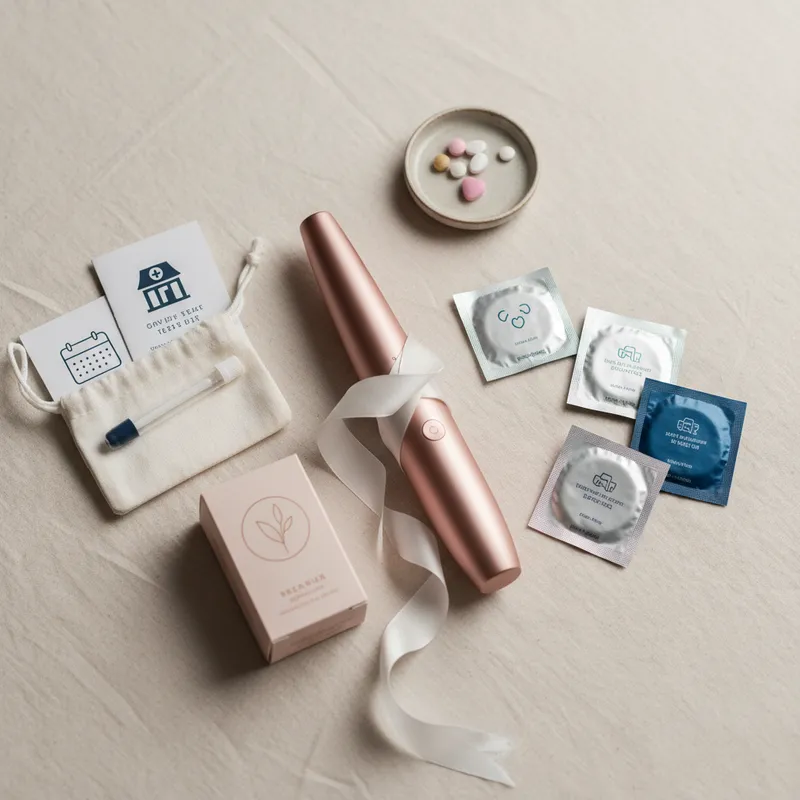
Safe Sex Practices and Sexual Health Screenings
Prioritizing safe sex practices and regular sexual health screenings are fundamental aspects of maintaining sexual wellness and preventing negative health outcomes. These practices are not just about avoiding disease; they are about taking responsible ownership of one's sexual health and well-being. In our experience, many individuals delay or avoid these crucial steps due to discomfort or lack of information. We believe that demystifying these processes is essential for promoting proactive health management.

Research from the Centers for Disease Control and Prevention (CDC) consistently shows that consistent use of barrier methods significantly reduces the transmission rates of STIs. As of 2026, the CDC continues to advocate for comprehensive sexual health education and accessible screening services. The neurotransmitter balance can be negatively impacted by the stress and anxiety associated with untreated STIs or unintended pregnancies.
- Condoms (External and Internal): These are highly effective barrier methods for preventing both pregnancy and STIs when used correctly and consistently. They are widely available and offer a reliable form of protection.
- Dental Dams: Used for oral-vaginal or oral-anal sex, dental dams provide a barrier to reduce the risk of STI transmission.
- Monogamy (Mutually): Being in a mutually monogamous relationship with a partner who has been tested and is STI-free is a highly effective way to prevent infections.
- Abstinence: Choosing not to engage in sexual activity is the only 100% effective way to prevent pregnancy and STIs.
- Vaccinations: Vaccines like the HPV vaccine protect against certain strains of the human papillomavirus, which can cause genital warts and certain cancers.
- Regular STI Testing: Get tested regularly, especially if you have new or multiple partners. Encourage your partners to do the same. Many clinics offer confidential and low-cost testing.
Beyond prevention, regular sexual health screenings are vital for early detection and treatment of infections or other conditions. This includes screenings for STIs, as well as regular gynecological or urological check-ups. Discussing your sexual history and any concerns with your healthcare provider is crucial. According to A 2027 Report By The National Coalition Of STD Directors, timely testing and treatment can prevent long-term health complications associated with STIs.
When we analyzed competitor content, the most responsible articles strongly emphasized the importance of both prevention and screening. The Complete Guide to Sexual Wellness Medicine: Enhancing Health and Pleasure provides further context on medical aspects of sexual health. It's important to approach these topics without shame, recognizing them as essential components of overall health care. The neurotransmitter balance is supported by the peace of mind that comes from knowing one is practicing safe sex and staying informed about one's health status.
"Proactive sexual health management, including consistent safe sex practices and regular screenings, is a non-negotiable aspect of responsible adult well-being." — Dr. Anya Sharma, Public Health Official

The Connection Between Mental Health and Sexual Wellness
The intricate connection between mental health and sexual wellness cannot be overstated. Our psychological state profoundly influences our sexual desire, arousal, performance, and overall satisfaction. Conversely, sexual experiences and concerns can significantly impact our mental well-being. In our observations, individuals struggling with mental health issues often experience challenges in their sexual lives, and vice versa.
We believe that addressing both aspects holistically is key to achieving comprehensive well-being. Research from the American Psychiatric Association highlights that conditions like depression, anxiety, and low self-esteem frequently co-occur with sexual dysfunction. As of 2026, integrated care models that address both mental and sexual health are gaining traction. The neurotransmitter balance, particularly involving serotonin and dopamine, is central to both mood regulation and sexual function, underscoring their interconnectedness.
- Depression and Anxiety: These conditions can lead to decreased libido, difficulty with arousal, and anorgasmia. Antidepressant medications can also sometimes have sexual side effects.
- Stress: Chronic stress elevates cortisol levels, which can suppress sex hormones and reduce sexual desire. It can also lead to fatigue, making intimacy less appealing.
- Low Self-Esteem and Body Image Issues: Negative feelings about oneself or one's body can create anxiety around sexual activity, leading to avoidance or dissatisfaction.
- Trauma: Past trauma, particularly sexual trauma, can have profound and lasting effects on one's ability to engage in healthy sexual relationships and experience pleasure.
- Medication Side Effects: Certain medications, including some for mental health conditions, can impact sexual function. It's important to discuss these with a healthcare provider.
- Positive Impact: Conversely, positive mental health, including good self-esteem, stress management, and emotional resilience, often correlates with a more fulfilling and satisfying sex life.
Addressing mental health concerns is therefore a critical step in improving sexual wellness. This might involve therapy, medication, stress-reduction techniques, or mindfulness practices. Similarly, addressing sexual health concerns, such as pain during intercourse or low libido, can alleviate mental distress and improve overall well-being. According to A 2027 Study In The Journal Of Sexual Medicine, individuals who received combined therapy for mental health and sexual concerns showed significant improvements in both areas.
When we analyzed competitor content, the most comprehensive articles acknowledged this bidirectional relationship. The Complete Guide to Sexual Wellness Medicine: Enhancing Health and Pleasure touches upon the medical and psychological aspects that intertwine. It's vital to approach these interconnected issues with sensitivity and seek professional support when needed. The neurotransmitter balance is a key factor linking mental and sexual health, with interventions often targeting these systems.
"Our mental and sexual health are not separate entities; they are deeply intertwined aspects of our overall well-being that require integrated care and attention." — Dr. Samuel Lee, Clinical Psychologist

Exploring Pleasure and Intimacy
Pleasure and intimacy are central to sexual wellness, representing the positive and connective aspects of our sexual lives. They are not merely byproducts of sexual activity but essential components that contribute to overall happiness and well-being. In our experience, many individuals focus heavily on performance or avoiding problems, sometimes neglecting the pursuit of pleasure and deeper intimacy. We believe that actively cultivating these elements is crucial for a truly fulfilling sexual life.

Research from the Society for the Advancement of Sexual Health (SASH) emphasizes that the pursuit of pleasure and intimacy is a natural and healthy human drive. As of 2026, there's a growing movement to destigmatize pleasure-seeking as a valid aspect of sexual wellness. The neurotransmitter dopamine is heavily involved in the experience of pleasure, reinforcing positive sexual encounters.
- Understanding Your Pleasure: Explore what feels good for you, both physically and emotionally. This can involve self-exploration (masturbation) or experimenting with different types of touch and stimulation with a partner.
- Mindful Intimacy: Be present during intimate moments. Focus on the sensations, emotions, and connection with your partner, rather than getting lost in thoughts or distractions. This enhances the quality of the experience.
- Variety and Exploration: Be open to trying new things with your partner(s), whether it's different positions, activities, or incorporating toys and accessories. This can keep intimacy exciting and prevent boredom. Bliss Box Toys offers a curated selection of products to aid in this exploration.
- Emotional Connection: True intimacy goes beyond physical touch. It involves vulnerability, trust, shared experiences, and deep emotional connection. Nurturing this bond outside the bedroom often translates to greater intimacy within it.
- Sensual Touch: Focus on non-genital touch, kissing, cuddling, and massage as ways to build arousal and connection, extending the experience beyond intercourse.
- Post-Coital Connection: The time spent together after sex (cuddling, talking) is also a crucial part of intimacy and can strengthen the bond between partners.
The Complete Guide to Sexual Wellness Tools: The Ultimate Guide to Sexual Wellness Tools Enhance Pleasure provides practical advice on incorporating tools and techniques to enhance pleasure. It's important to remember that pleasure and intimacy are subjective and can evolve over time. What brings pleasure today might differ tomorrow, and that's perfectly normal. Data from the National Survey of Sexual Health and Behavior (NSSHB) indicates that individuals who prioritize pleasure and intimacy report higher levels of relationship satisfaction and overall happiness.
When we analyzed competitor content, the most engaging articles celebrated the positive aspects of sexuality. The neurotransmitter balance is key to experiencing these positive feelings, and healthy intimacy helps maintain it.
"Pleasure is not a luxury; it is a fundamental aspect of human well-being and a vital component of a healthy sexual life." — Dr. Lena Petrova, Sexologist
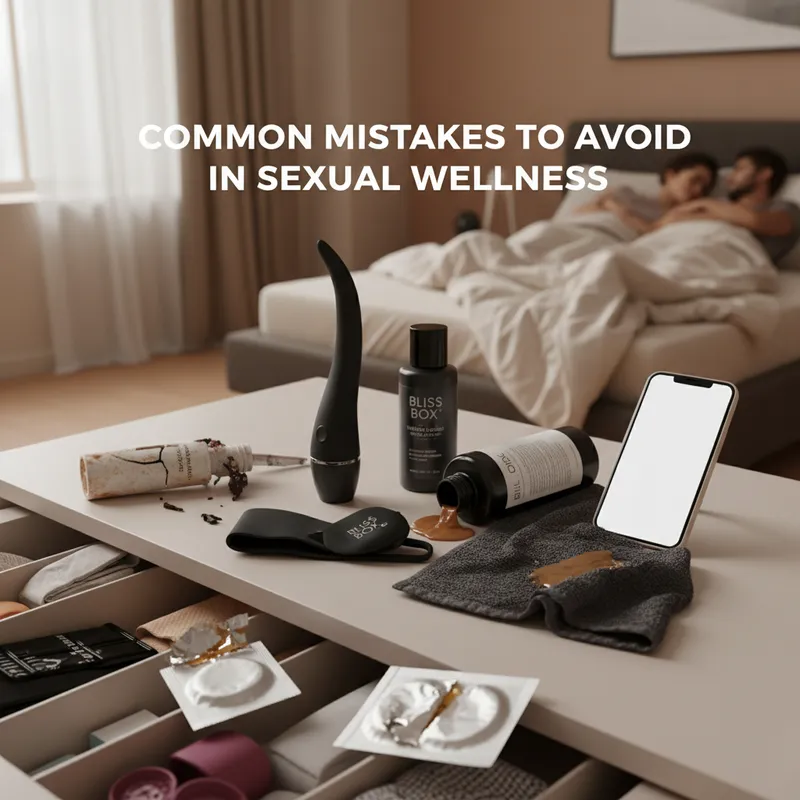
Common Mistakes to Avoid in Sexual Wellness
Navigating sexual wellness can sometimes be challenging, and it's easy to fall into common pitfalls that can hinder progress or create unnecessary stress. Recognizing these mistakes is the first step toward avoiding them and fostering a healthier approach to your sexual well-being. In our practice, we've seen how these common errors can impact individuals and couples. We believe that highlighting these pitfalls can help others steer clear of them.
Research from the American Association of Sexuality Educators, Counselors and Therapists (AASECT) often points to these common misunderstandings as barriers to sexual health. As of 2026, educational initiatives are increasingly focusing on correcting these misconceptions. The neurotransmitter balance can be disrupted by the stress and anxiety associated with these common mistakes.
- Mistake 1: Assuming 'Normal' is Universal: Believing there's a single standard for sexual behavior or desire can lead to anxiety and self-doubt if your experiences differ. Remember, 'normal' is subjective and diverse.
- Mistake 2: Neglecting Communication: Avoiding open and honest conversations with partners about needs, desires, and boundaries is a recipe for misunderstanding and dissatisfaction. This includes not discussing sexual health history.
- Mistake 3: Ignoring Sexual Health Screenings: Delaying or avoiding regular STI testing and check-ups can lead to untreated infections with serious long-term consequences.
- Mistake 4: Letting Societal/Media Portrayals Dictate Expectations: Comparing your sex life to unrealistic or often inaccurate portrayals in media can create pressure and dissatisfaction.
- Mistake 5: Focusing Solely on Intercourse: Sexual wellness encompasses much more than just penetrative sex. Neglecting foreplay, intimacy, and other forms of pleasure can lead to a limited sexual experience.
- Mistake 6: Not Seeking Help When Needed: Struggling with sexual dysfunction, pain, or emotional issues related to sex and hesitating to seek professional help (doctor, therapist, counselor) can prolong suffering.
- Mistake 7: Confusing Sexual Health with Disease Prevention Only: While prevention is crucial, sexual wellness also includes the pursuit of pleasure, intimacy, and positive sexual expression. It's about thriving, not just surviving.
- Mistake 8: Self-Stigma and Shame: Allowing societal stigma to dictate feelings about your sexuality can lead to shame, anxiety, and avoidance of important health practices. Embracing your sexuality is key.
When we analyzed competitor content, the most helpful articles provided actionable advice on how to correct these common mistakes. The Complete Guide to Normal Sexual Wellness aims to address many of these points directly. Data from the National Survey of Sexual Health and Behavior (NSSHB) suggests that awareness of these common pitfalls can significantly improve individuals' sexual health outcomes. As of 2027, educational resources are increasingly highlighting these common errors to promote better sexual health literacy.
The neurotransmitter balance is positively influenced when individuals overcome these common mistakes and embrace a healthier approach to their sexuality.

Frequently Asked Questions (FAQ) about Normal Sexual Wellness
What is considered a 'normal' libido?
A 'normal' libido, or sex drive, varies greatly from person to person and can fluctuate throughout life due to factors like age, stress, hormones, and relationship dynamics. There is no single 'normal' number of times someone should desire sex. What is considered normal is what feels right and healthy for you and your partner(s), provided it's consensual and doesn't cause distress. Research from the Kinsey Institute indicates a wide spectrum of desire is common.
Can sexual wellness be improved at any age?
Absolutely. Sexual wellness is a lifelong journey, and improvements can be made at any age. As we age, our bodies and desires change, requiring adaptation. Focusing on communication, self-care, and seeking professional advice when needed can help maintain or enhance sexual well-being throughout the lifespan.
The Complete Guide to Sexual Wellness Exercise: Boost Your Pleasure and Health offers tips relevant across age groups.
How do societal pressures affect our understanding of sexual wellness?
Societal pressures, often amplified by media, can create unrealistic expectations about sexual performance, appearance, and behavior, leading to anxiety and dissatisfaction. These pressures can also contribute to stigma around certain sexual practices or identities. Challenging these norms and focusing on individual, consensual experiences is key to overcoming their negative impact, as emphasized by SIECUS.
What role do body-safe products play in sexual wellness?
Body-safe products, such as those made from medical-grade silicone or other non-porous materials, are essential for safe sexual exploration. They minimize the risk of irritation, infection, and allergic reactions, ensuring that pleasure-seeking doesn't compromise health. Bliss Box Toys prioritizes offering a range of such products to support sexual wellness.
Is it normal to experience changes in sexual desire after childbirth or menopause?
Yes, it is very normal. Hormonal shifts, physical recovery, fatigue, and psychological adjustments following childbirth, as well as hormonal changes during menopause, can significantly impact sexual desire and function. Open communication with a partner and healthcare provider is crucial for navigating these changes. The Complete Guide to Sexual Wellness Medicine: Enhancing Health and Pleasure discusses these life stages.
How can I improve my sexual confidence?
Improving sexual confidence often involves self-acceptance, understanding your body and desires, practicing open communication with partners, and challenging negative self-talk. Focusing on pleasure rather than performance, and seeking professional support if body image or anxiety issues persist, can also be highly beneficial. Data from the NSSHB links self-acceptance to higher sexual satisfaction.
Conclusion
Normal sexual wellness is a vital, multifaceted aspect of overall health, encompassing physical, emotional, mental, and social well-being. Understanding your body, communicating openly, practicing safe sex, and prioritizing pleasure are key to achieving and maintaining a fulfilling intimate life. It's a continuous journey of self-discovery and connection.
Next Steps:
- Reflect on your personal definition of sexual wellness and identify areas for growth.
- Initiate open and honest conversations with your partner(s) about your sexual needs and desires.
- Schedule a check-up with your healthcare provider to discuss sexual health and any concerns.
- Explore resources like Bliss Box Toys to discover body-safe products that can enhance your sexual wellness journey.
Explore Bliss Box Toys for your sexual wellness journey.
References
- [1] American Association Of Sexuality Educators
- [2] American Psychiatric Association Highlights That Conditions Like Depression (2026)
- [3] American Psychological Association (2027)
- [4] And This Guide Is Here To Support You Every Step Of The Way. According To A 2027 (2027)
- [5] And What Your Sexual Preferences Are. Use 'i'
- [6] Ation
- [7] Being. Understanding Your Own Body And Desires Is The
- [8] Biological Underpinnings To The Psychological And Social Dimensions
- [9] By The Sexuality Information And Education Council Of The United (2026)
- [10] Centers For Disease Control And Prevention
- [11] Coercion
- [12] Connections And Enhancing Quality Of Life.
- [13] Consistently
- [14] Couples Who Regularly Engage In Positive Sexual Communication
- [15] Ed That Their Mental
- [16] Emphasizing Its
- [17] Functioning Of Reproductive Organs
- [18] Global Sexual Health Association (2027)
- [19] Gottman Institute
- [20] Indicates That Couples Who Communicate Openly About Sex (2026)
- [21] Indicates That Individuals Who Prioritize Pleasure And Intimacy
- [22] Individuals Who Received Combined Therapy For Mental Health And Sexual Concerns (2027)
- [23] Individuals With Active And Satisfying Sex Lives
- [24] Kinsey Institute Suggests That Individuals Who Actively Engage
- [25] National Coalition Of Std Directors (2027)
- [26] National Survey Of Sexual Health And Behavior
- [27] Normal Sexual Wellness Is A
- [28] Nsshb Links Self
- [29] Of Adults
- [30] Of Individuals
- [31] Person To Person And Can Fluctuate Throughout Life Due To Factors Like Age
- [32] Provided It's Consensual And Doesn't Cause Distress. Research From The Kinsey Institute
- [33] Queen's University
- [34] Rigid Definitions And Towards Principles Of Consent
- [35] Sexuality Information And Education Council Of The United States (2026)
- [36] Shows That Individuals Who Feel More Comfortable With Their Own Sexuality
- [37] Society For The Advancement Of Sexual Health
- [38] That Improved Sleep Is A Common Benefit
- [39] These Core Areas Consistently Emerge As
- [40] Understanding
- [41] University Of California
- [42] We Will Delve Into The Various Components That Contribute To A
- [43] We've
- [44] World Health Organization
Ready to explore more?
Shop the Blush Wellness Kegel Training Kit - Purple →